Your cat can recover from three viruses.
Clinically studied antivirals for Feline Infectious Peritonitis (FIP), Feline Calicivirus (FCV) and Feline Herpesvirus (FHV-1). Trusted by cat owners in Malaysia since 2019.
- Free consultationFrom diagnosis to recovery
- Across MalaysiaLalamove or courier delivery
- Relapse programmeSupport if FIP comes back
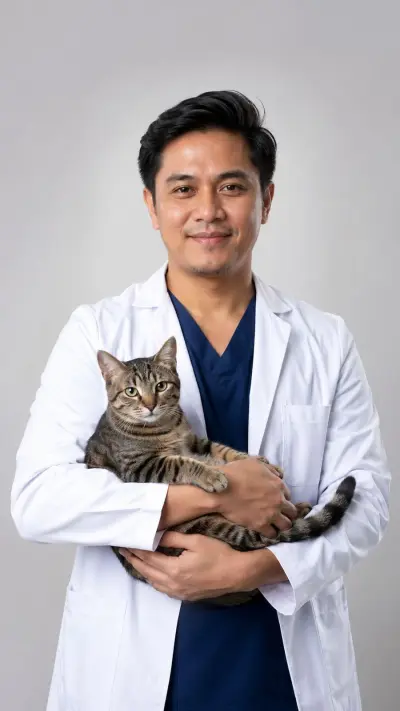

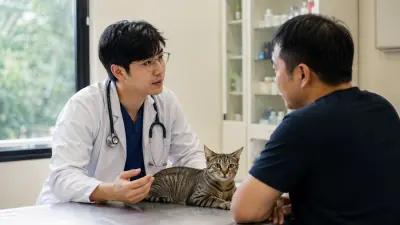
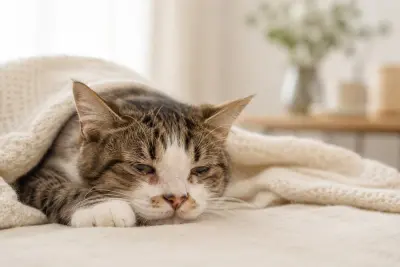

Helping cats recover, so their owners never fight alone.
Our specialists guide you from diagnosis through recovery, for Feline Infectious Peritonitis (FIP), Feline Calicivirus (FCV) and Feline Herpesvirus (FHV-1).
About us- 140,000+
- Cats treated since 2019
- 92%
- Success rate, UC Davis clinical trial
- 84 days
- FIP treatment protocol
- 2019
- Supporting cat owners since
Buy direct
Choose your cat's treatment.
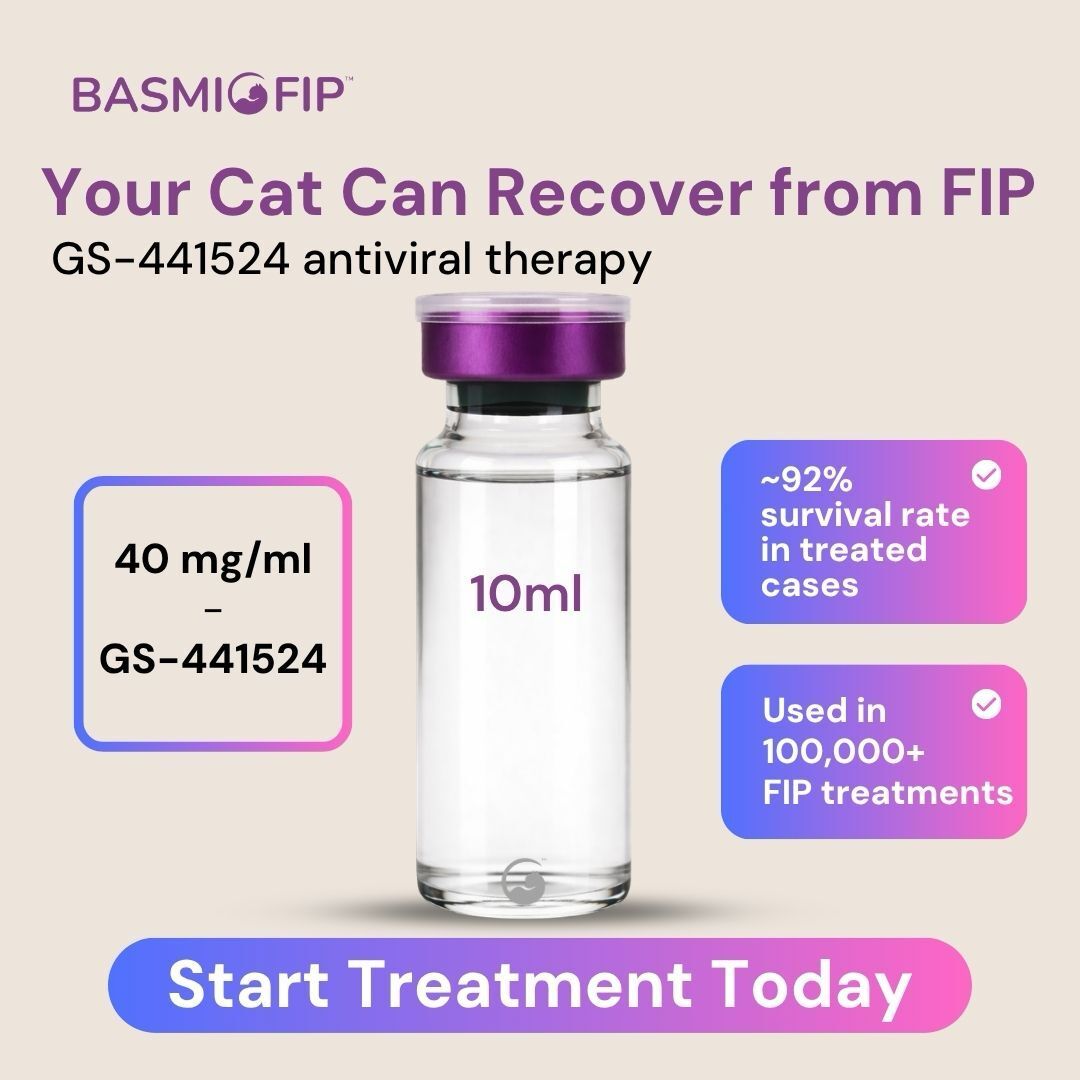 FIP · Injectable
GS-441524 Injectable 10 ml
For every type of FIP, including neurological and ocular.
RM189Calculate doseCould not be added. Please try again in a moment.
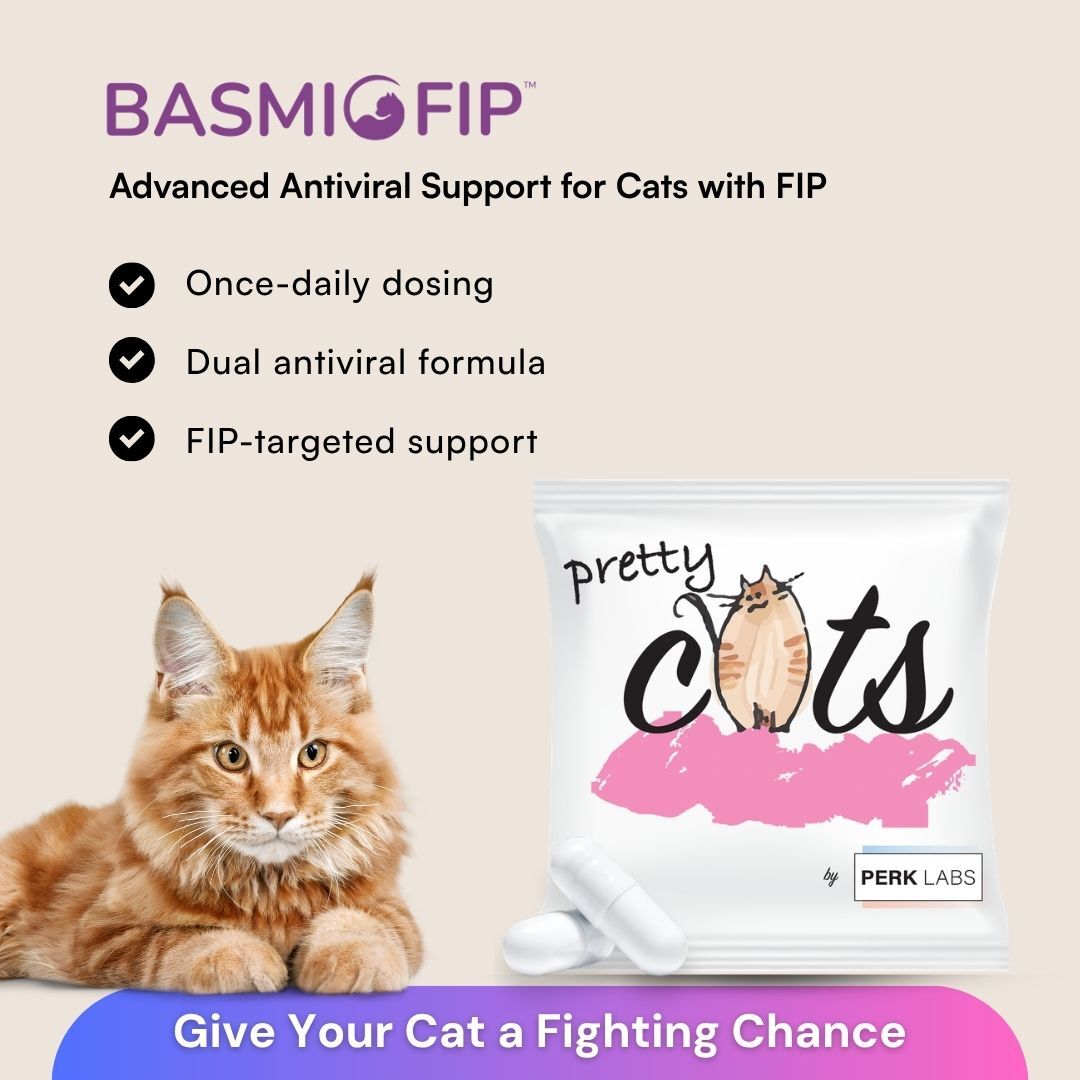 FIP · Oral
Dual Antiviral GS-441524 + EIDD-1931
One oral capsule a day, no injections.
RM429Product detailsCould not be added. Please try again in a moment.
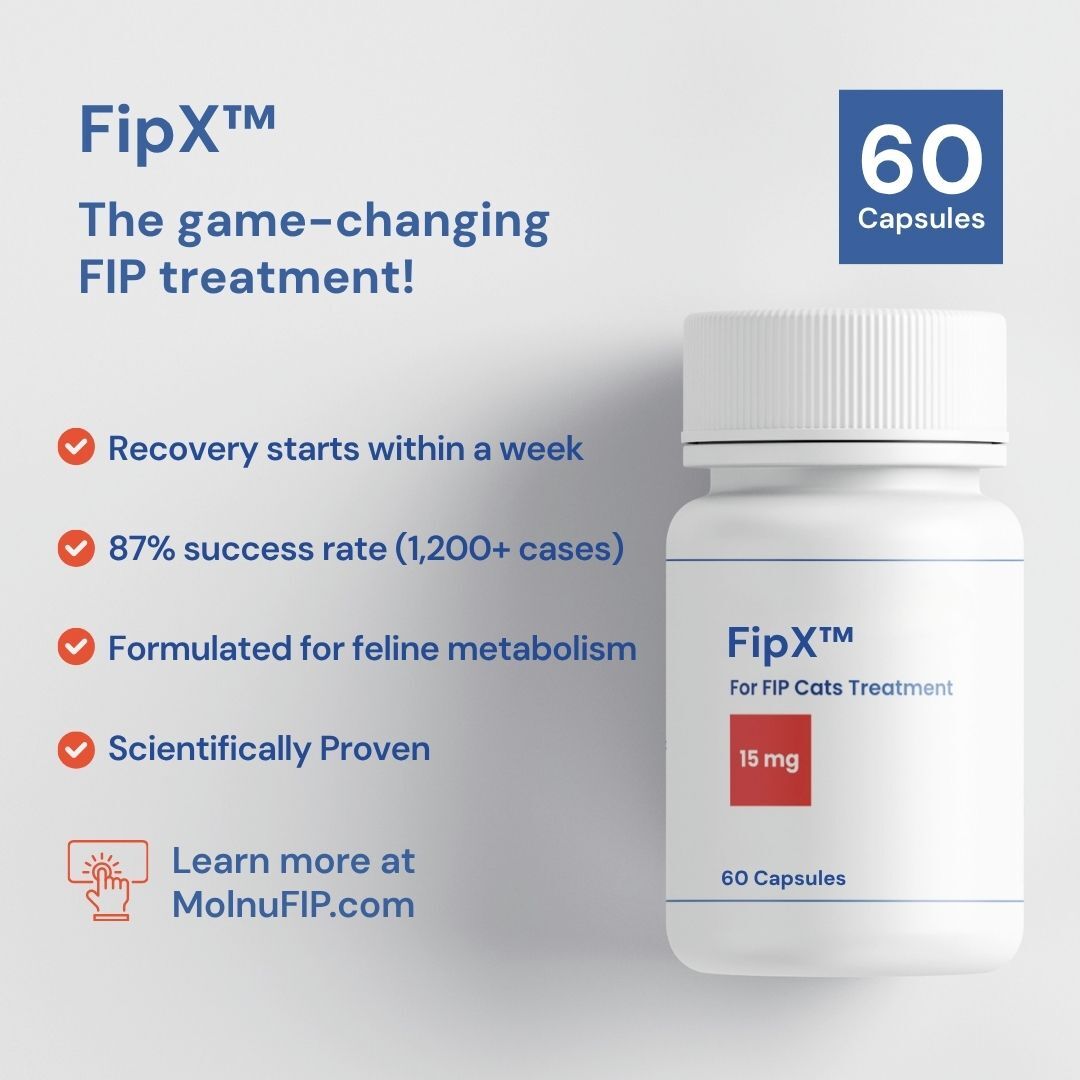 FIP · Oral
FipX™ 15 mg
Oral EIDD-1931 capsules for FIP.
RM189Product detailsCould not be added. Please try again in a moment.
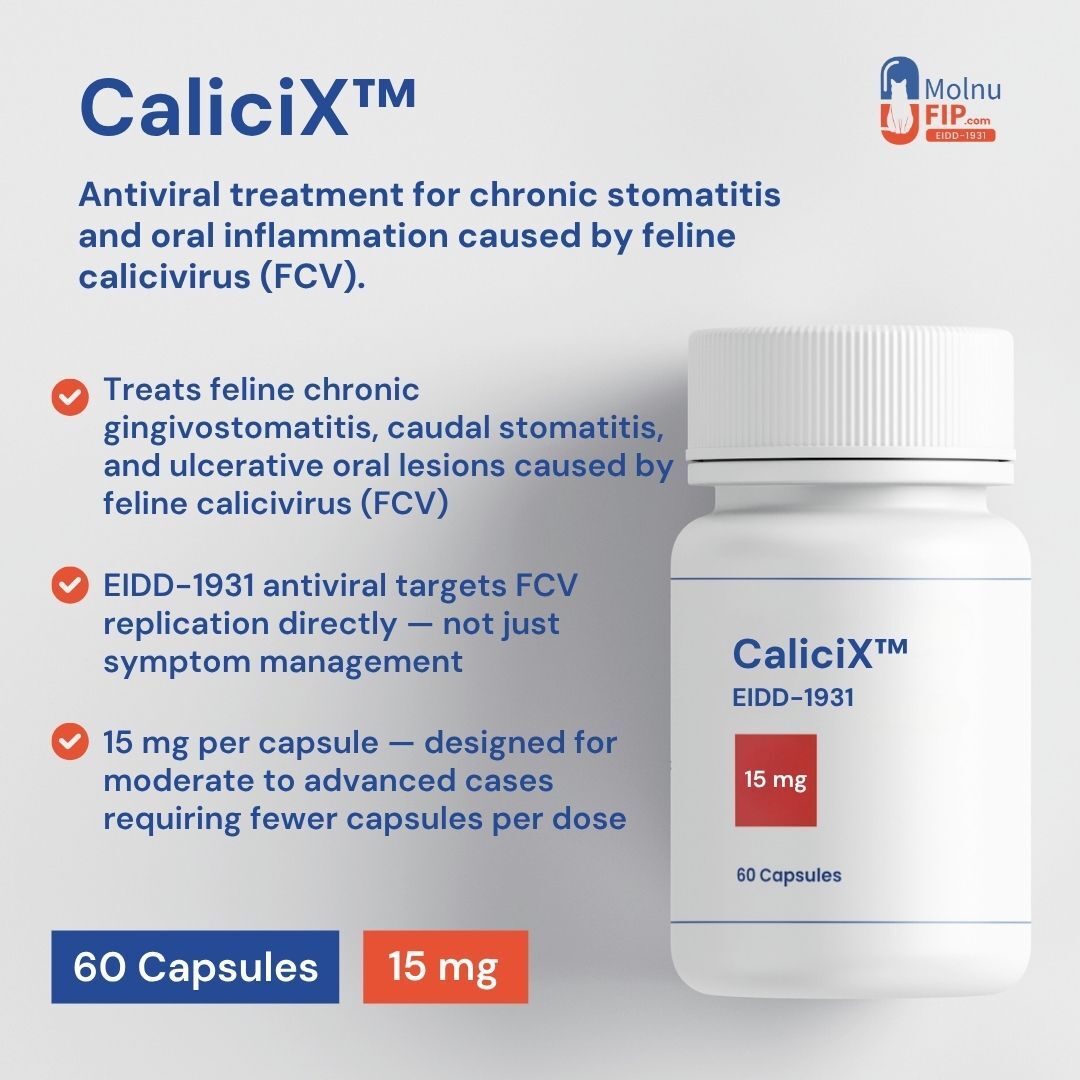 FCV
CaliciX™ 15 mg
Oral antiviral for Feline Calicivirus (FCV) and FCGS.
RM189Product detailsCould not be added. Please try again in a moment.
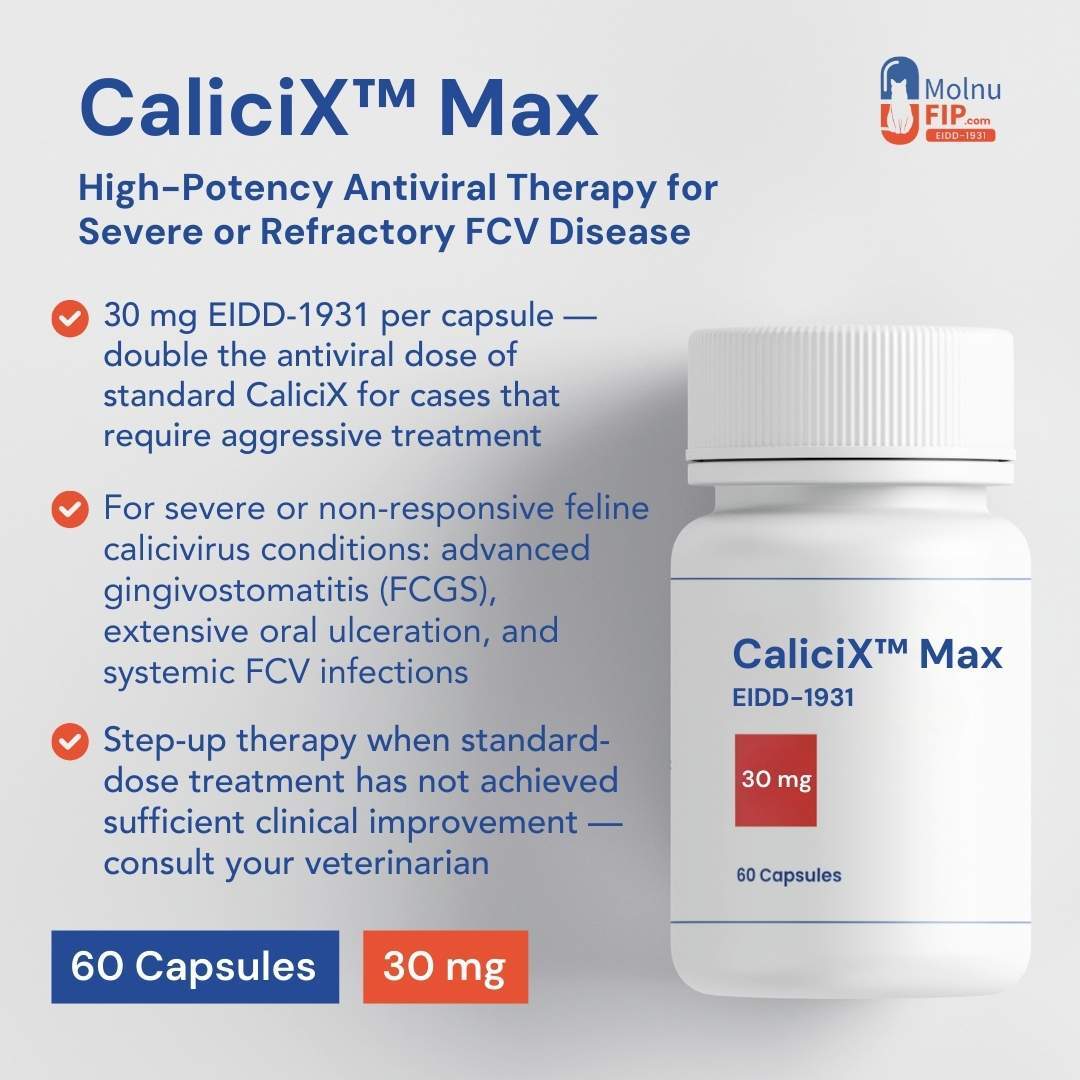 Severe FCV
CaliciX™ Max 30 mg
Higher dose for severe or recurring FCV.
RM219Product detailsCould not be added. Please try again in a moment.
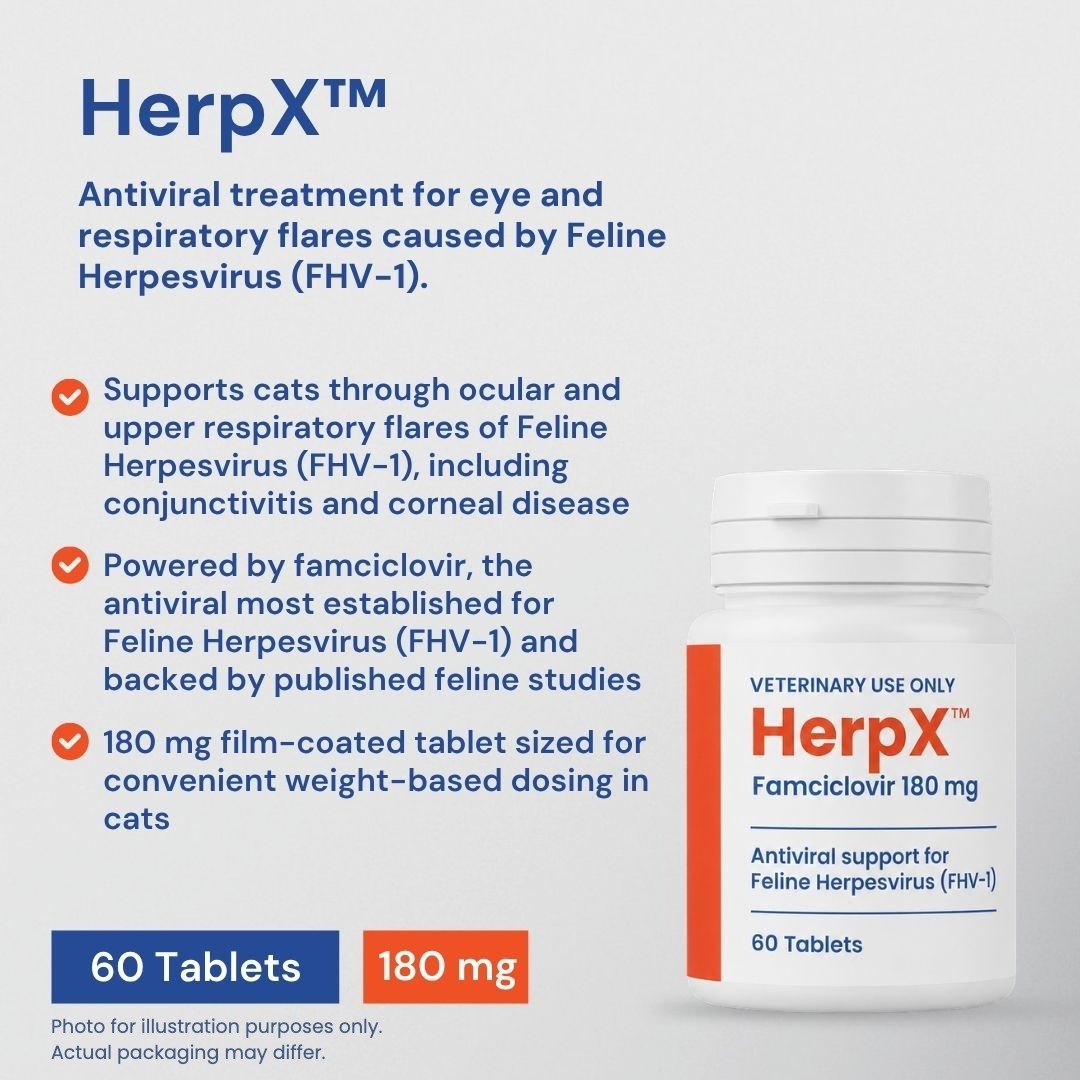 FHV-1
HerpX™ 180 mg
Oral famciclovir for Feline Herpesvirus (FHV-1).
RM269Product detailsCould not be added. Please try again in a moment.
Three steps, whichever virus you are facing.
Read the FIP treatment guide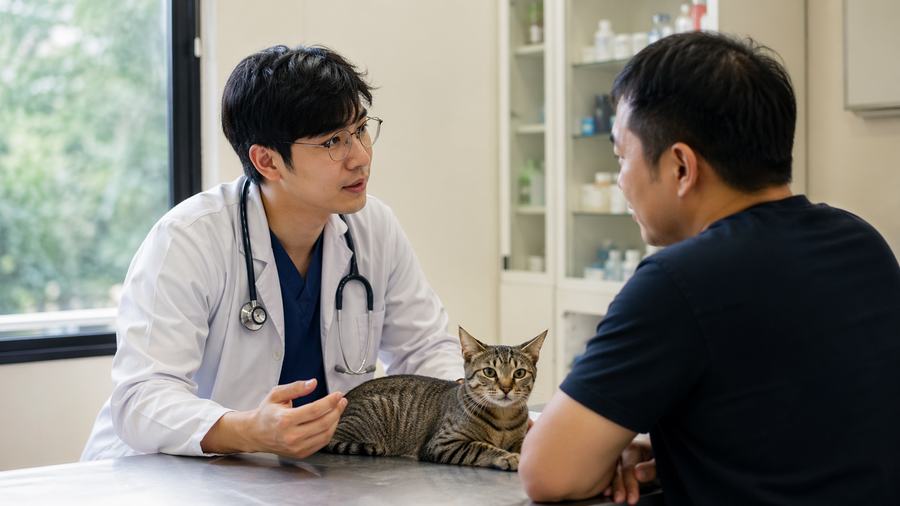 01
Talk to a specialist
Share your cat's diagnosis and symptoms. Our team recommends the right treatment plan, free of charge.
 02
Start treatment
Begin the protocol for your cat's infection, delivered across Malaysia.
 03
Complete the protocol
Follow the full course with ongoing support from our team until your cat is back to health.
Common questions
Everything you need to know.
Answers to the most common questions from worried cat parents.
What is Feline Calicivirus (FCV)?
Feline Calicivirus (FCV) is one of the most common viral infections in cats. It usually shows up as painful ulcers in the mouth or on the tongue, heavy drooling, sneezing and a loss of appetite. Cats often stop eating because their mouth hurts, not because they are not hungry.
What is Feline Chronic Gingivostomatitis (FCGS)?
Feline Chronic Gingivostomatitis (FCGS) is severe, long-running inflammation of the gums and the mouth. Many cats with Feline Chronic Gingivostomatitis (FCGS) also carry Feline Calicivirus (FCV), which is why the two are treated together. Cats with this condition often drool, drop food from their mouth, or refuse hard food entirely.
How is Feline Calicivirus treated?
With CaliciX or CaliciX Max, oral antiviral treatments for Feline Calicivirus (FCV) and Feline Chronic Gingivostomatitis (FCGS). CaliciX uses an EIDD-1931 based formula, has an 84% success rate and no known drug resistance. Our specialists will tell you which of the two fits your cat's case, free of charge.
Does my cat need injections?
No. CaliciX and CaliciX Max are oral capsules you give at home. There is no injectable protocol for Feline Calicivirus (FCV), so if your cat is difficult to handle or you are not comfortable with needles, that is not a problem here.
Can I use the Dosage Calculator for Feline Calicivirus?
No. The Dosage Calculator is built for the GS-441524 protocol for Feline Infectious Peritonitis (FIP) only. Dosing for CaliciX is handled by our specialists when you contact them, so do not use the calculator numbers for it.
Can my other cats catch it? Can I?
Other cats yes, you no. Feline Calicivirus (FCV) spreads easily between cats through saliva and nasal discharge, and through shared bowls, bedding and grooming, which is why it moves quickly through multi-cat homes, shelters and catteries. It does not infect people.
My cat is sneezing. Is it Feline Calicivirus or Feline Herpesvirus?
You cannot tell from sneezing alone, and this is the most common thing cat owners get stuck on. Both viruses cause it. What usually separates them is where else the trouble shows: mouth ulcers and drooling point towards Feline Calicivirus (FCV), while watery or crusted eyes and congestion point towards Feline Herpesvirus (FHV-1). Send your cat's symptoms to our specialists and they will help you work out which one you are dealing with, free of charge.
What is Feline Herpesvirus (FHV-1)?
Feline Herpesvirus (FHV-1) is the most common cause of upper respiratory infection in cats. The usual signs are constant sneezing, watery or crusted eyes, nasal congestion and squinting.
How is Feline Herpesvirus treated?
With HerpX, an oral capsule containing famciclovir, 180 mg per capsule, 60 capsules per bottle. Send your cat's symptoms to our specialists and they will set the plan with you, free of charge.
Why does it keep coming back?
Once a cat is infected, Feline Herpesvirus (FHV-1) stays in the body for life. It can go quiet for long stretches and then flare up again during stressful periods: a move, a new pet, boarding, illness. This is why treatment focuses on controlling flare-ups rather than clearing the virus, and why a cat that has had it once may need treatment again later.
Does my cat need injections?
No. HerpX is an oral capsule you give at home. There is no injectable protocol for Feline Herpesvirus (FHV-1).
Can I use the Dosage Calculator for Feline Herpesvirus?
No. The Dosage Calculator is built for the GS-441524 protocol for Feline Infectious Peritonitis (FIP) only. Dosing for HerpX is handled by our specialists when you contact them.
Can my other cats catch it? Can I?
Other cats yes, you no. Feline Herpesvirus (FHV-1) spreads between cats through sneezing and through eye and nasal discharge, including on shared bowls and bedding. It does not infect people.
My cat is sneezing. Is it Feline Herpesvirus or Feline Calicivirus?
You cannot tell from sneezing alone. Both viruses cause it. Watery or crusted eyes and nasal congestion point towards Feline Herpesvirus (FHV-1), while mouth ulcers and heavy drooling point towards Feline Calicivirus (FCV). Send your cat's symptoms to our specialists and they will help you work out which one you are dealing with, free of charge.
What is Feline Infectious Peritonitis (FIP) and can it be treated?
Feline Infectious Peritonitis (FIP) is a viral disease caused by a mutated feline coronavirus. It is fatal without treatment. Antiviral treatment with GS-441524 changed that: it has a 92% clinical success rate in the UC Davis clinical trial, and our specialists have run the protocol since 2019.
How quickly will I see results?
Most cats show visible improvement within the first 5 days of treatment. Appetite usually returns first, then energy. Improvement in the first week is not the finish line though: the full course still has to be completed, or the infection can come back.
How long is the treatment?
84 days. The protocol runs for 12 weeks without gaps, even after your cat looks well again, which is usually long before day 84. Stopping early is the most common reason treatment fails.
Should I choose injections or oral capsules?
GS-441524 injections are our most used option and suit all types of Feline Infectious Peritonitis (FIP), including severe cases. GS-441524 oral capsules suit cats that are sensitive to injections or owners who are not comfortable injecting daily at home. EIDD-1931 oral capsules are used in the dual antiviral protocol. Our specialists will recommend which fits your cat's case, free of charge.
Does it work for neurological and ocular Feline Infectious Peritonitis?
Yes. The protocol covers all types of Feline Infectious Peritonitis (FIP): wet, dry, neurological and ocular. Neurological and ocular cases are dosed differently from wet and dry cases, so tell our specialists exactly what your vet found, including any wobbling, seizures, or changes in the eyes.
Is the consultation really free?
Yes. Share your cat's diagnosis and symptoms and our specialists will recommend a treatment plan at no charge, whether you buy from us or not. Most enquiries get a reply within hours.
FIP, FCV & FHV education
Latest articles.
Stomatitis in Cats (FCGS): Why Antivirals Now Matter
Stomatitis in cats (FCGS) is often driven by Feline Calicivirus. Learn the signs, causes, and why antiviral therapy is now part of the treatment plan.
Read articleStomatitis in Cats: Is Feline Calicivirus (FCV) the Cause?
Learn how Feline Calicivirus (FCV) links to stomatitis in cats, the warning signs, diagnosis, and veterinarian-guided treatment options in Malaysia.
Read articleCorneal Ulcers in Cats: FHV-1 Eye Damage and What to Do
A feline eye ulcer is often caused by Feline Herpesvirus (FHV-1). Learn the symptoms, why antibiotics are not enough, and when to see your vet.
Read article